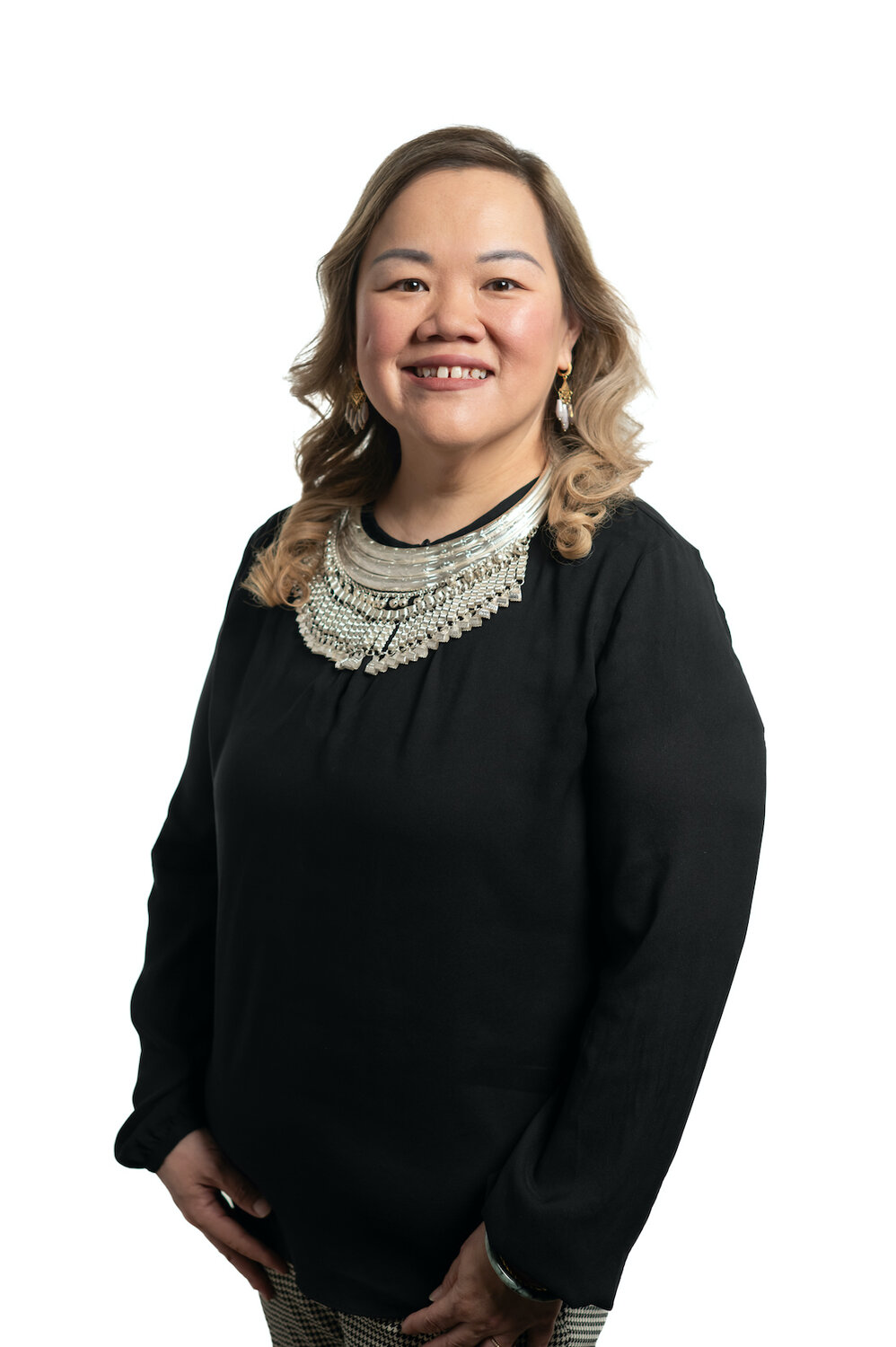
Maychee Mua was recently named one of 29 recipients from a 2025 application pool of 1,000. Started in 1953 by Archie and Edith Bush, the Bush Foundation awards fellowships of $150,000 to support a …
This item is available in full to subscribers.
To continue reading, you will need to either log in, using the login form, below, or purchase a new subscription.
If you are a current print subscriber, you can set up a free website account and connect your subscription to it by clicking here.
Otherwise, click here to view your options for subscribing.
Please log in to continue |
Maychee Mua was recently named one of 29 recipients from a 2025 application pool of 1,000. Started in 1953 by Archie and Edith Bush, the Bush Foundation awards fellowships of $150,000 to support a leader’s self-designed leadership plan and growth, welcoming leaders from all sectors of society.
As for Mua, she intends to use her Bush Fellowship for reimagining autism advocacy. Autism Spectrum Disorder (ASD) is a neurodevelopmental disorder which is characterized by challenges in such things as social interaction, repetitive behaviors, and communication.
Having advocated for autistic individuals since 2013 and starting her work in group home settings, Mua also has children who are in the autistic community. Herself of mixed Hmong and Chinese descent and with parents who came as refugees, Mua shared more recently on what reimagining autism advocacy means and looks like for her.
“Reimagining autism advocacy means ensuring that autistic individuals are actively involved in discussions, especially when healthcare policies impacting their lives are changing,” she said. “In today’s world, we often instruct others on how things should be without truly understanding the intricacies of their daily experiences. To implement effective and meaningful changes, it's crucial to comprehend people's backgrounds and integrate both their cultural perspectives and desires into decision-making processes. Our current approach may benefit some but not all; therefore, it is essential to explore ways to make these efforts more inclusive for everyone across various intersectionalities in life.
“To me, reimagining autism advocacy means creating a balance and transforming the world to embrace diverse ways of thinking. This way, everyone can thrive in an environment where they feel accepted and included. I hope that one day all neurological experiences will be valued and supported across every aspect of life—from education and social interactions to community spaces and professional settings.”
With stigma and misunderstanding high in the Hmong and Chinese communities as well as elsewhere, Mua said she looks to change this.
“Being neurodivergent means that the brain functions differently from what's typically considered ‘normal’ to society,” Mua said “This can include variations in socializing, learning, attention, mood, and other mental functions. For me being neurodivergent simply means that my mind operates in ways that can offer unique perspectives and talents but may also bring challenges in areas that are tailored for neurotypical individuals.”
Mua shared further on the promise of an interconnected holistic approach.
“For me an interconnected holistic approach can create improvements for neurodivergents especially autistics in the Southeast Asian communities in Minnesota,” she said. “I believe that we should find a way to integrate traditional beliefs with modern medical understanding. Listening to our autistics tell their hardships and experiences is very important as the power of storytelling is valuable to help us improve and modify our policies.
“We need to educate and create outreach programs tailored to cultural contexts that can increase awareness and acceptance, fostering supportive environments. Incorporating traditional healing practices with contemporary therapies can respect cultural values while addressing the needs of individuals with autism. Building community networks that include family, traditional healers, and medical professionals can empower individuals and their families, facilitating a more inclusive approach to care and support.”
As for how she came to apply for a Bush Fellowship and her plans with it, Mua went into considerable detail.
“For many years, I've been inspired by friends who are former Bush Fellows and have aspired to emulate them someday,” she said. “However, I was unsure when the timing would be right due to the many responsibilities I hold currently with my family, the community and the work I do.
“Last summer, I realized it was time for a change amidst everything happening in my life. In the community work I engage in, families often confide in me and trust my experiences to discuss their children and seek guidance on what steps to take next. Meeting these families fills me with hope when they trust me and I witness the struggles of children who lack the necessary resources that would eventually empower them as independent adults.
“I aspire to leave a legacy that consistently creates opportunities for autistic individuals to engage with the world, something they have been excluded from for too long. Through conversations with adult autistics, many have shared their experiences of trauma. My goal is not only to offer support and rewrite this narrative for future generations but also address the additional challenges faced by children of color who encounter complex intersectional barriers.
“I was instrumental in developing the Autism benefit in Minnesota. However, as I now navigate this journey personally as a parent and an individual, I'm realizing that what I thought I understood isn't effectively supporting my family and me. There are still gaps that require cultural and traditional integration, but these aspects seem overlooked by prevailing colonial perspectives.
“My children are integral to my life's journey, serving as my most profound teachers. Becoming a parent has been an unparalleled gift, especially as someone who is neurodivergent raising neurodivergent children. This experience has required more resilience and adaptability than I ever anticipated. It pushes me beyond what I thought possible, allowing their love and the changes in life to shape my growth. I plan to take my family on a trip back to our ancestral homelands of Laos, Thailand, and China because understanding one's cultural heritage can greatly enhance leadership skills.
“I hope to visit other Asian countries with the goal of studying leadership from both cultural and holistic perspectives. I'm particularly interested in observing how these countries include individuals with autism so that we might incorporate some of these practices within Western society. In Southeast Asia—where supportive ministries for autistic individuals exist—the focus often lies on person- and family-centered care approaches that could inspire change here in Minnesota's medical community by embracing diverse methods into tools used for caring for those who are neurodivergent.
“I intend to meet with leaders in the US to learn about neuroaffirming practices and apply those insights with my leadership skills
“I also hope to increase my personal well-being by dedicating time for healing through hiring a wellness coach and participating in various training programs. This will help me become a more effective leader by also addressing my own implicit biases and I believe learning is an ongoing journey for anyone to continue to lead for impactful changes.”
Mua closed by highlighting the need for inclusivity and respect of differences in society.
“Autistic individuals in the United States are currently facing a range of challenges that contribute to their distress,” she said. “One significant issue is the ongoing stigmatization and misunderstanding of autism spectrum disorder (ASD). Misconceptions about autism can lead to social isolation, bullying, and discrimination, which negatively impact mental health. Despite increasing awareness, not everyone fully understands the spectrum's nuances, leading to harmful stereotypes and assumptions about autistic people. We have to embrace, accept and be inclusive. This world needs differences so we can all bring unique perspectives.”
Long an autism advocate, Mua’s Bush Fellowship will help her reimagine autism advocacy, bringing good to wider society.